
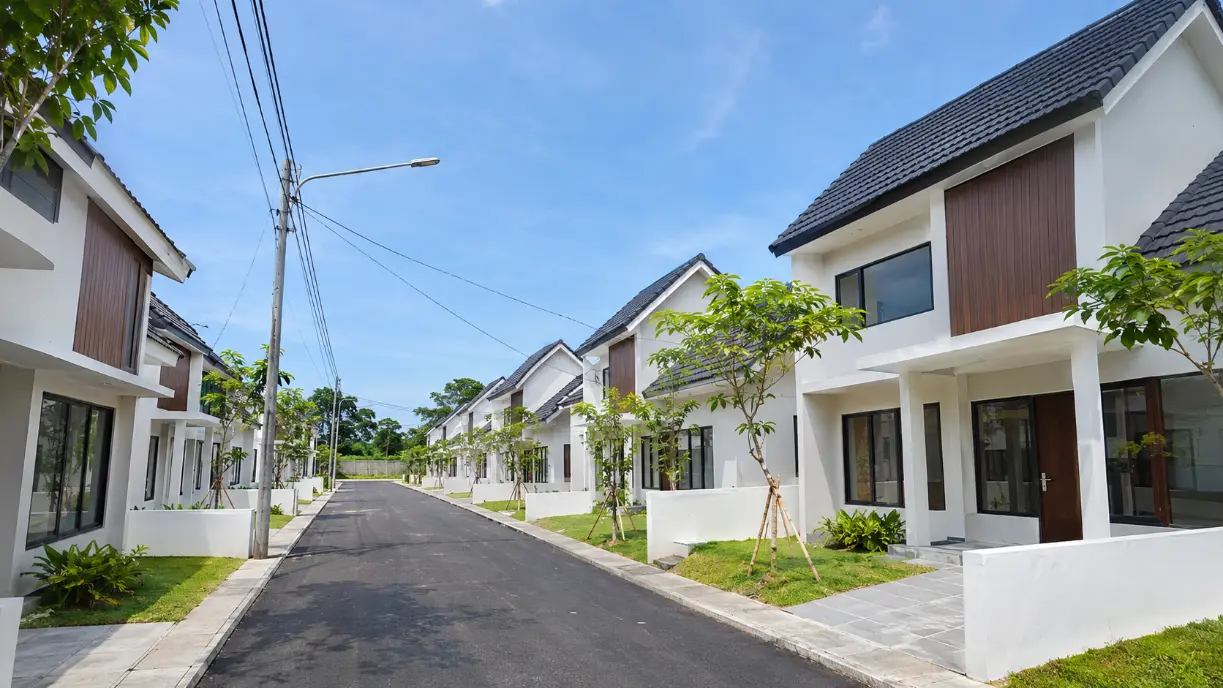
Choosing between a new house and a secondary house in Indonesia is not just about comparing prices. In 2026, more buyers are considering ready-to-move-in secondary homes as construction costs rise and renovation budgets become harder to predict. However, new properties still offer advantages such as modern designs, developer support, and potential tax incentives. The better choice depends on your budget, preferred location, property condition, and how much additional money you are willing to spend after purchasing.
The Changing Preference of Indonesian Homebuyers
The Indonesian residential market is showing an interesting shift in buyer preferences. According to Pinhome's Indonesia Residential Property Market Report for the first half of 2026, the share of searches targeting ready-to-move-in secondary houses increased from 19% in H1 2025 to 24% in H1 2026. The report links this trend partly to rising construction and material costs, which make renovation expenses less predictable.

This change reflects a practical concern among buyers. Rather than purchasing an older property and immediately spending more on repairs, some prefer homes that already have functional interiors, completed renovations, and established neighbourhood facilities. At the same time, Bank Indonesia reported that primary residential property prices grew by only 0.58% year-on-year in Q3 2026, while primary home sales contracted by 8.43%. This makes careful price comparisons increasingly important.
What Makes New and Secondary Houses Different?
Buying a New House
A new house offers the advantage of modern construction, updated layouts, and relatively new electrical, plumbing, and roofing systems. Buyers may also benefit from developer warranties, promotional packages, and more convenient mortgage arrangements through developer-bank partnerships. However, not every new property is ready for immediate occupancy, especially when purchasing an indent unit that is still under construction.
Buyers should also consider the surrounding neighbourhood. Some new housing developments are located in growing suburban areas where public facilities, commercial centres, and transportation connections may still be developing. A lower purchase price does not necessarily mean better value if daily commuting becomes more expensive or inconvenient.
Buying a Secondary House
A secondary house can offer access to established neighbourhoods with existing schools, markets, healthcare facilities, and transportation networks. Buyers can inspect the actual building, understand the surrounding environment, and potentially negotiate directly with the owner. Some properties may also offer larger land areas or layouts that are difficult to find in newer developments.
However, an attractive asking price can hide additional expenses. Ageing roofs, damaged plumbing, outdated electrical installations, water leakage, and structural deterioration may require attention after purchase. This is why a professional property inspection is important before agreeing on a price.

Understanding the Real Cost of Renovation
Renovation costs can significantly change the financial comparison between new and secondary homes. According to Rumah123's November 2026 renovation cost guide, light renovations may cost around IDR 500,000 to IDR 1.5 million per square metre, while moderate renovations can reach IDR 1.5 million to IDR 3.5 million per square metre.
For example, renovating 60 square metres of a secondary house could require approximately IDR 90 million to IDR 210 million for moderate work. This estimate may increase depending on material quality, labour costs, plumbing repairs, electrical upgrades, and design requirements. Buyers should also prepare a contingency budget of at least 10% to reduce the risk of unexpected expenses.
A house that initially costs IDR 700 million may therefore require another IDR 100 million or more before it becomes comfortable to occupy. Comparing this total against a new house is much more useful than looking at the asking price alone.
Taxes and Additional Buying Costs
Another factor worth considering is the difference in transaction costs. In 2026, eligible new houses purchased directly from developers may qualify for the government's 100% VAT incentive under PMK No. 90 of 2025. The incentive applies to qualifying new, ready-to-occupy homes priced up to IDR 5 billion, with VAT covered on the first IDR 2 billion of the sale price, subject to the applicable requirements and handover deadlines.
Secondary property transactions do not automatically qualify for this new-home VAT incentive. However, buyers of both new and secondary houses should account for potential BPHTB, notary or PPAT services, mortgage administration, appraisal, insurance, and other transaction expenses. BPHTB calculations depend on applicable local regulations and the relevant non-taxable acquisition threshold.
Which Option Makes More Financial Sense?
A new house may be more suitable if you prioritise modern construction, lower immediate maintenance requirements, and developer support. A secondary house may be a better option if you value established neighbourhoods, flexible negotiations, and the ability to inspect the actual property before purchasing.
Before deciding, compare the total acquisition cost, estimated renovation expenses, financing requirements, building condition, and long-term maintenance needs. Also consider whether the location supports your daily lifestyle or intended rental strategy. The most affordable property is not always the one with the lowest asking price.
Making a Smarter Property Decision
Buying a house is a long-term financial commitment, so understanding the property's actual condition and surrounding market is just as important as finding an attractive price. Whether you choose a newly developed home or a secondary property, careful evaluation can help prevent unexpected expenses and protect your investment.
For buyers considering property opportunities in Bali, Dewandaru Property provides local support through property sales, rentals, and management services. Understanding a property's location, condition, and potential use can make a meaningful difference when deciding what to purchase. You can find more information about its services through Dewandaru Property.